
Every March, communities across the country come together to recognize Self-Harm Awareness Month, a time dedicated to education, compassion, and breaking the silence around one of mental health’s most misunderstood topics.
At Keeper of Kindness, we believe that awareness is only the beginning. Understanding self-harm, what it is, who it affects, and how to help — can be the difference between someone suffering in silence and someone finding the support they desperately need.
What Is Self-Harm?
Self-harm (also called non-suicidal self-injury, or NSSI) refers to the act of intentionally hurting one’s own body as a way to cope with intense emotional pain. It is not a suicide attempt, though it can increase suicide risk when left unaddressed.
Common forms of self-harm include cutting, burning, scratching, hitting, or carving words or patterns into the skin. Most often, injuries appear on the arms, legs, or torso, and are typically hidden under clothing.
Self-harm is a symptom, not a personality flaw, a cry for attention, or a character weakness. It’s a sign that someone is experiencing overwhelming emotions and has not yet found healthier ways to cope.
Who Does Self-Harm Affect?
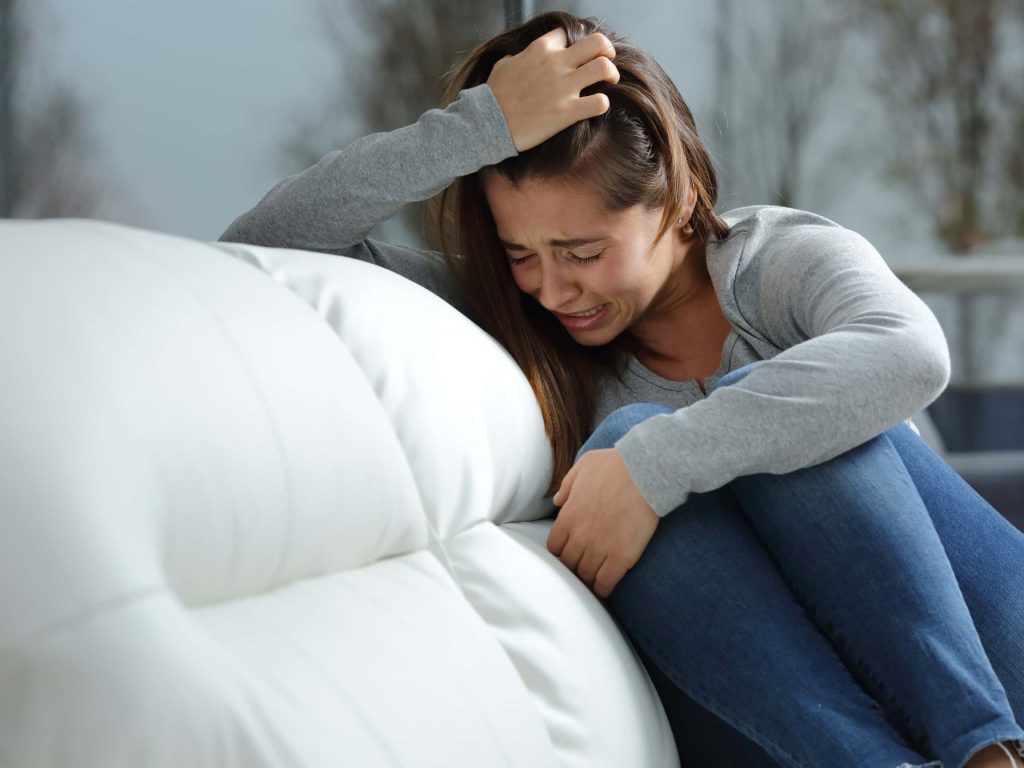
Self-harm does not discriminate. It affects people of all genders, ages, and backgrounds. However, it is most commonly reported among teenagers, with research indicating that self-injury typically begins around ages 13–14.
Studies suggest that up to 25% of young people engage in some form of self-injury. Over the past decade, rates have increased significantly — particularly among adolescent girls. Social media exposure, academic pressure, social isolation, and unaddressed mental health conditions are all contributing factors.
Self-harm is commonly associated with conditions such as depression, anxiety, borderline personality disorder, PTSD, and eating disorders, but it can occur in individuals with no prior mental health diagnosis as well.
Recognizing the Warning Signs
Knowing what to look for can help you support a friend, family member, or student who may be struggling. Common warning signs include:
- Unexplained cuts, scars, bruises, or burn marks – often in patterns
- Wearing long sleeves or pants even in warm weather
- Withdrawing from friends, family, and activities
- Statements of hopelessness, worthlessness, or self-hatred
- Keeping sharp objects close at hand
- Frequent unexplained accidents or injuries
If you notice these signs, resist the urge to react with shock, anger, or ultimatums. Instead, approach the person with calm curiosity and genuine care.
How to Help Someone Who Is Self-Harming
If you suspect a loved one is hurting themselves, the most important thing you can do is reach out with compassion, not judgment.
- Ask directly and gently: “I’ve noticed some things that concern me. Are you okay?”
- Listen without minimizing or trying to fix it immediately
- Avoid saying things like “just stop” or “you’re doing this for attention”
- Encourage them to speak with a trusted adult, counselor, or mental health professional
- Stay connected. Isolation makes things worse
If someone is in immediate danger, call 911. For those experiencing a mental health crisis, the 988 Suicide & Crisis Lifeline is available 24/7 by call or text.
There Is Always Hope
Recovery from self-harm is absolutely possible. With the right support, including therapy, healthy coping strategies, and consistent connection, people heal every day.
Approaches like Dialectical Behavior Therapy (DBT) and Cognitive Behavioral Therapy (CBT) have been shown to be highly effective in helping individuals develop healthier emotional regulation skills and reduce self-harming behaviors.
If you are personally struggling with self-harm right now, we want you to know: you are not broken. What you are feeling is real, and you deserve real support. Please reach out.
| 988 Suicide & Crisis Lifeline — Call or text 988 (Available 24/7) Crisis Text Line — Text HOME to 741741 NAMI Helpline — 1-800-950-NAMI (6264) | nami.org To Write Love on Her Arms — twloha.com |
How Keeper of Kindness Is Here for You
At Keeper of Kindness, our mission is rooted in exactly this kind of compassionate support. Whether you’re navigating your own mental health journey or trying to show up for someone you love, we’re here.
This Self-Harm Awareness Month, we encourage you to have the conversations that matter, share resources with your community, and remember: kindness – especially to yourself – can be lifesaving.
If this blog post resonated with you, share it with someone who might need to see it. Together, we can break the stigma and build a more compassionate world.
— The Keeper of Kindness Team